
By: April Meissner – PCRG Insurance Consultant
As a licensed property and casualty agent, I get it—when something breaks, leaks, cracks, or collapses, your first instinct is to say,
“Well, that’s why I have insurance.”
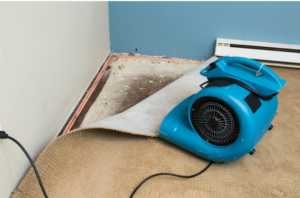
Totally fair. That’s what it’s there for… But when should you file a claim, and when should you not?
In todays insurance market filing a small or borderline claim can cost you way more in the long run than just handling the repair out of pocket.
I know that sounds backwards. Let me explain…
Right now, carriers are tightening up. They’re taking closer looks at loss histories, raising premiums for even minor claims, and in some cases… they’re non-renewing policies after just one or two losses. It’s not personal – it’s just the reality of a strained market with rising reinsurance costs, higher catastrophe losses, and stricter underwriting.
So here’s what actually happens when you file a claim that maybe didn’t need to be filed
1. Your premium almost always goes up.
Even a $1,500 wind claim or a small water leak can bump your rate for the next 3–5 years. You might save a little now, but you’ll pay for it (with interest) in premium increases.
2. You look riskier on paper.
Think of each claim like a “strike.” Too many strikes—even small ones—and companies start backing away. Yes, even if “it wasn’t your fault.” The system doesn’t care about fault; it cares about frequency.
3. You lose your leverage as a shopper.
If your carrier raises your premium and we try to shop your policies, other companies will see your claim history and price you higher—or decline you completely. You get stuck paying more with fewer options.
4. You might get dropped.
I hate having these conversations. But right now, one water claim + one wind claim in a short window can be enough for a carrier to say, “We’re not renewing.” And finding new coverage after a non-renewal? Not fun. Not cheap.

So when should you file a claim?
Easy rule of thumb: If it’s catastrophic, dangerous, or financially impossible to handle yourself—absolutely file it. That’s exactly what insurance is for. But if it’s something small, something right around your deductible, or something that won’t break the bank to fix?
Pause. Call your agent first.
“Seriously—call me before you call the carrier.”- April
The bottom line:
In this tough market, playing the long game matters. A clean claims history keeps your premiums lower, keeps your options wide open, and helps protect you from being non-renewed. Sometimes the smartest move with your home insurance is… not to use it.
If you’re ever unsure which bucket your situation falls into, reach out! I’d rather talk you through when to file a home insurance claim than have you surprised by a premium hike later.